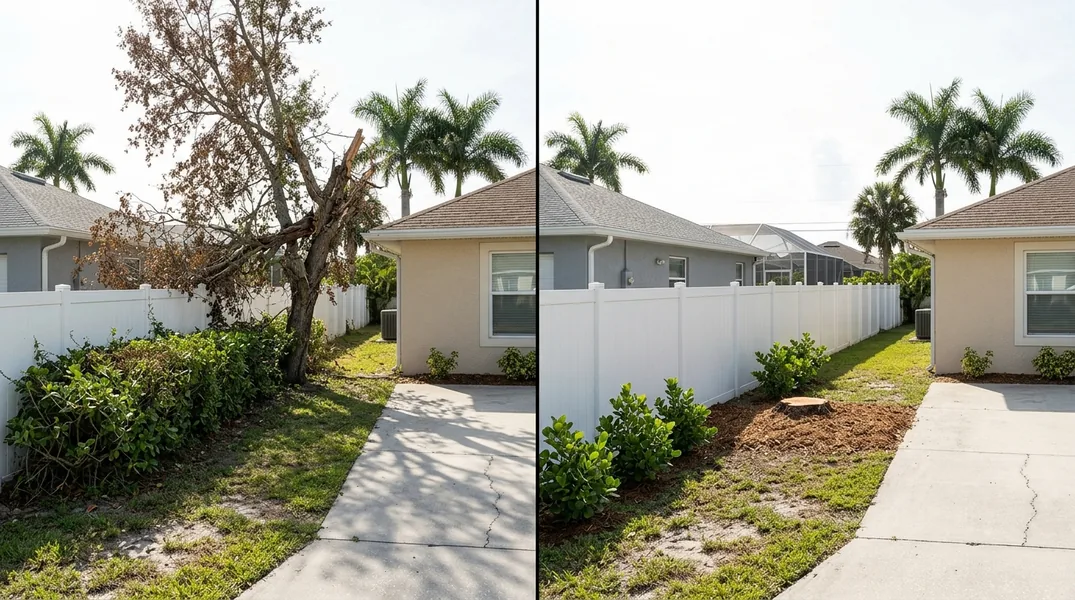
Do You Need a Tree Removal Permit in Cape Coral?
One of the first questions homeowners ask is whether they need a tree removal permit in Cape Coral. The short answer is yes, in most cases. Cape Coral has specific ordinances that regulate when and how trees can be removed from residential and commercial properties.
The city requires a tree removal permit for most trees on your property, particularly those that are six inches or larger in diameter at breast height (DBH). This regulation exists to protect the urban forest, maintain property values, and preserve the natural aesthetic of the community. Before you hire anyone to cut down a tree or attempt removal yourself, you should check with the city to understand exactly what permits are required for your specific situation. Failing to obtain the proper permits can result in significant fines and legal complications.
Understanding Cape Coral's Protected Tree Ordinance
Not all trees in Cape Coral are treated equally under local law. The city has designated certain species as protected trees, which means they receive additional legal protection. These protected trees include live oaks, sabal palms, and several other native species that are considered valuable to the local ecosystem and community character. Understanding which trees on your property are protected is essential before making any removal decisions.
Protected trees cannot be removed without explicit approval from the city, and even then, removal is often denied unless the tree poses a genuine safety hazard or is severely diseased. If you have a protected tree that you believe needs to be removed, you'll need to submit detailed documentation, photographs, and often an arborist's report explaining why removal is necessary. The city takes these decisions seriously, and applicants should be prepared for a thorough review process. If you're uncertain whether your trees are protected, the safest approach is to contact a professional tree removal company like Cape Coral Tree Service at (239) 946-6986 to assess your situation before proceeding.
Lee County Tree Removal Rules: What You Need to Know
While Cape Coral has its own specific ordinances, it's important to remember that the city is located within Lee County, and county regulations may also apply to your property. Lee County tree removal rules complement the city ordinances and often provide additional requirements or clarifications. Understanding both sets of regulations ensures you're fully compliant and avoid any unexpected legal issues.
Lee County's approach to tree management emphasizes environmental stewardship and property owner rights, but always within a framework that protects the broader community. For example, certain environmental zones or wetland areas may have additional restrictions on tree removal beyond what the city requires. If your property is near a wetland, conservation area, or environmentally sensitive land, you may face stricter requirements. The best practice is to consult with professionals who understand both Cape Coral city code and Lee County regulations. Cape Coral Tree Service has extensive experience navigating these overlapping requirements and can help ensure your project stays compliant.
Palm Removal Permit Requirements in Cape Coral
Palms are iconic to Southwest Florida, and Cape Coral residents often want to know if they need a special permit to remove them. The answer depends on the species and size of the palm. Sabal palms, which are native to Florida and often considered heritage trees, typically require a permit and may be protected under city ordinance. Other palm species, such as coconut palms or queen palms, may have different requirements depending on their size and location on your property.
A palm removal permit in Cape Coral is generally required for palms that are eight inches or larger in diameter. The permitting process is similar to standard tree removal but may move more quickly since palms are often not designated as protected species in the same way native hardwoods are. However, you should never assume a palm can be removed without a permit. The safest approach is to contact the city's planning and zoning department or work with a experienced arborist who can verify permit requirements for your specific palm trees. If you need guidance on palm removal requirements, Cape Coral Tree Service can provide a free estimate and help you understand the permitting process.
Steps to Take Before You Remove Any Tree
Before you contact a contractor or pick up a chainsaw, take these essential steps to ensure you're following all applicable rules. First, identify the species and measure the diameter of any tree you're considering removing. This information is crucial because it determines whether a permit is required and whether the tree is protected. Second, contact the Cape Coral Planning and Zoning Department to inquire about permit requirements for your specific trees. They can provide definitive guidance on whether your project needs approval before you proceed.
Third, if the tree is large, old, or you suspect it might be protected, hire a experienced arborist to assess it. An arborist can provide documentation of the tree's health, species identification, and any safety concerns, which will be valuable if you need to apply for a removal permit. Fourth, never hire a contractor who tells you that permits aren't necessary or that they can work around the regulations. Reputable companies like Cape Coral Tree Service always follow local ordinances and will help you navigate the permitting process correctly. Finally, if you're dealing with an emergency situation such as a tree that has fallen on your home or a severely hazardous tree, contact an Emergency Tree Service provider immediately. They can address the immediate danger while helping you understand what permits may be needed after the fact.
Working with a Local Professional: Why It Matters
Navigating tree removal permits and ordinances can be complicated, which is why working with a local professional makes sense. A reputable tree removal company in Cape Coral will have deep knowledge of local regulations, maintain all necessary licenses and insurance, and handle permit applications on your behalf. They understand which trees are protected, what the city requires, and how to present your case effectively if permits are needed.
Cape Coral Tree Service has been serving the community and understands the nuances of local regulations. When you call (239) 946-6986 or request a free estimate, our team can assess your trees, explain what permits are required, and guide you through the entire process. Beyond tree removal, we also offer Tree Trimming & Pruning services and Stump Grinding to help you maintain a healthy, compliant landscape. Don't risk fines or legal trouble by cutting corners on permits and regulations. Contact Cape Coral Tree Service today to ensure your tree removal project is done right.
Looking for a professional tree service contractor in Cape Coral? Cape Coral Tree Service responds fast for all your tree service needs.
Get a Free QuoteOur services: Tree Removal · Tree Trimming & Pruning · Stump Grinding