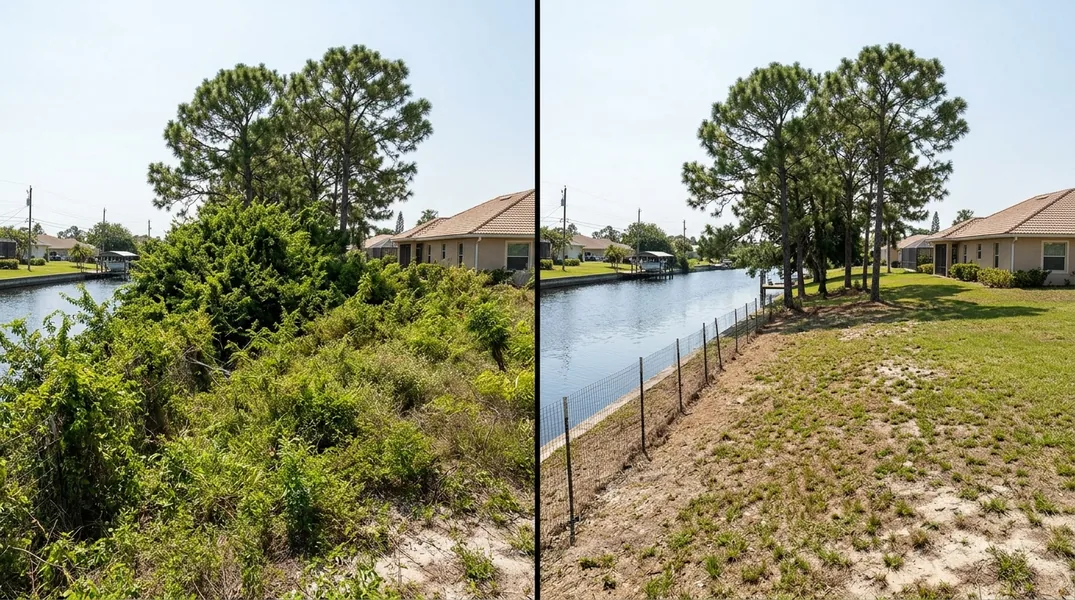
Understanding Hurricane Risk to Your Trees and Palms
Southwest Florida's hurricane season runs from June through November, and Cape Coral sits directly in the path of potential tropical storms and hurricanes. Every homeowner in the region faces the same reality: poorly maintained trees and palms can become dangerous projectiles during high winds, threatening your home, vehicles, and family members. Trees with weak branch structure, disease, or improper weight distribution are especially vulnerable to snapping or uprooting when sustained winds exceed 75 mph.
The good news is that proactive preparation can significantly reduce your risk. By understanding which trees are vulnerable, how to strengthen them, and when to seek professional help, you can protect your property and neighbors. Many homeowners wait until a storm is forecasted to think about tree safety, but the best time to act is now, during the calm months between hurricane seasons. A single well-positioned falling tree can cause tens of thousands of dollars in damage, making prevention far more cost-effective than dealing with disaster recovery.
The Importance of Hurricane Tree Trimming and Palm Maintenance
Tree Trimming & Pruning is one of the most effective ways to reduce wind resistance and prevent storm damage. When branches are overgrown or crossing, they create weak points and catch more wind, like a sail. Professional trimming removes dead wood, eliminates crossing branches, and thins the crown to allow wind to pass through rather than push against solid mass. This structural pruning is different from routine aesthetic trimming and requires knowledge of how trees respond to cuts and how wind loads are distributed.
Palm trees, which are abundant throughout Cape Coral, need special attention before hurricane season. Many homeowners mistakenly remove all fronds from their palms, thinking this prevents damage, but this actually weakens the tree and can lead to disease. The correct approach is selective frond removal, taking only dead or diseased fronds while leaving the living crown intact. Hurricane prep palm trimming should also include removing seed pods, dead petioles (leaf stems), and any loose material that could become airborne during storms. A well-maintained palm is far more resilient than an over-trimmed one.
The timing of trimming matters too. Ideally, you want major pruning completed by late spring, giving the tree time to heal and strengthen before hurricane season arrives. Trimming too close to storm season leaves fresh cuts vulnerable to disease and doesn't allow the tree adequate recovery time.
Selecting Wind-Resistant Trees for Southwest Florida Landscapes
If you're planning new plantings or replacing storm-damaged trees, choosing wind-resistant species is a smart long-term investment. Some trees are naturally more aerodynamic and flexible, while others are brittle or top-heavy. In Southwest Florida's climate, live oaks are excellent choices because of their dense wood and flexible branches. Gumbo limbos, also called tourist trees, have naturally spreading, low-density canopies that shed wind effectively. Mahogany trees are strong and durable, though they grow slowly. Buttonwoods and cocoplums are smaller options that hold up well to coastal storms.
Trees to avoid or approach cautiously include Bradford pears, which have weak branch attachments and split easily, and many pine species, which have shallow root systems and high wind resistance. Australian pines, while common in Florida, are particularly prone to uprooting and should be removed if they're near structures. Ash trees and tulip poplars are also problematic in hurricane zones. When selecting new trees, also consider your soil type, water availability, and the mature size of the species. A tree that's too large for its location will always be at higher risk.
If you're uncertain whether your existing trees are appropriate for your property or whether you have vulnerable species that should be removed, contact Cape Coral Tree Service for a professional assessment. Our arborists can evaluate your landscape and recommend species that will thrive while standing up to our region's storm challenges.
When to Call for Professional Storm Prep Tree Service in Florida
While basic yard maintenance is fine for most homeowners, storm preparation often requires professional expertise. Large trees near your home, multiple trees with visible damage or disease, and any tree touching power lines should be evaluated by a experienced arborist. Professional Emergency Tree Service crews have the equipment, training, and insurance to safely handle complex removals and large-scale trimming projects that would be dangerous for homeowners to attempt.
Signs that you need professional help include branches rubbing against your roof or gutters, visible cracks in the trunk, dead wood throughout the canopy, trees leaning significantly, or any tree that's been topped or severely damaged by previous storms. Trees with root damage, soil erosion around the base, or fungal growth are also at higher risk and should be professionally evaluated. Don't wait until a storm warning is issued to address these issues, as most tree service companies become overwhelmed during peak storm season and may not be able to respond quickly.
The team at Cape Coral Tree Service is available now to help you prepare. Call us at (239) 946-6986 to schedule a storm preparation consultation, or request a free estimate for any trimming or removal work your property needs.
Tree Removal and Stump Grinding: Addressing High-Risk Trees
Some trees are simply too dangerous to keep, especially as hurricane season approaches. If a tree is dead, severely diseased, leaning toward your home, or has multiple structural problems, Tree Removal is the safest option. Removing a hazardous tree before a storm hits prevents the catastrophic damage that occurs when a failing tree falls on your house, garage, or power lines. This is particularly important for trees in close proximity to structures or in areas where they could damage a neighbor's property.
After removal, many homeowners want to eliminate the stump to reclaim yard space and prevent regrowth. Stump Grinding is the most effective method, using specialized equipment to grind the stump below ground level so you can replant or landscape over the area. Leaving stumps in place creates a tripping hazard, takes up valuable space, and can lead to new shoots sprouting from the remaining root system.
The investment in professional removal and grinding is far less than the potential cost of storm damage. A tree that falls on your roof can result in tens of thousands of dollars in repairs, not to mention the danger to your family. If you have trees you're concerned about, reach out to Cape Coral Tree Service for an honest assessment and competitive pricing on removal services.
Your Hurricane Preparation Checklist and Next Steps
As hurricane season approaches, use this checklist to ensure your property is ready. First, visually inspect all trees and palms for dead branches, disease, or structural problems. Second, identify any trees that are too close to your home, touching power lines, or obviously weak. Third, schedule professional trimming for trees that need it, ideally before June. Fourth, plan for removal of any hazardous trees that can't be safely retained. Finally, after any work is done, continue monitoring your landscape throughout the season and after storms to address new damage promptly.
Don't let hurricane season catch you unprepared. The team at Cape Coral Tree Service has the expertise and equipment to handle all your storm preparation needs, from selective pruning to complete tree removal and stump grinding. We serve Cape Coral and surrounding areas with professional, reliable service. Contact us today at (239) 946-6986 or visit our website at https://cape-coral-tree-service.com to schedule your free consultation. A few hours of preparation now can save your home and family from serious harm when the next hurricane arrives.
Looking for a professional tree service contractor in Cape Coral? Cape Coral Tree Service responds fast for all your tree service needs.
Get a Free QuoteOur services: Tree Removal · Tree Trimming & Pruning · Stump Grinding